The introduction layer for industrial sourcing
XPND keeps the requirement, the answers and the decision in one place. So you can reach a company you have never worked with, get a proper read on whether it can be trusted, and still have something to stand behind the choice later.


How an introduction is made
Five steps-
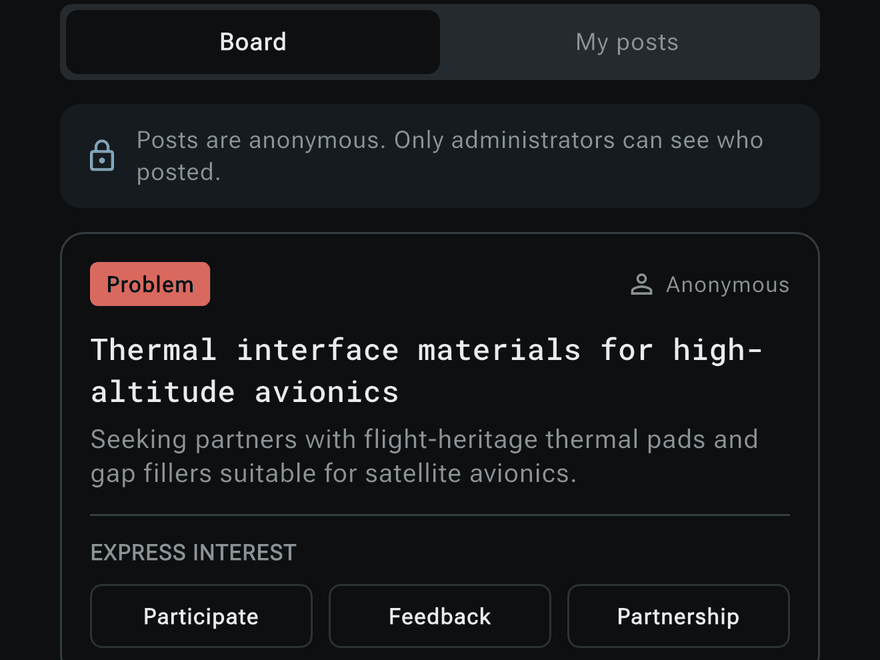 01 Posted
Say what you need, without your name on it
The post carries the problem. It does not carry you. ConvergX® alone holds the name behind it.
-
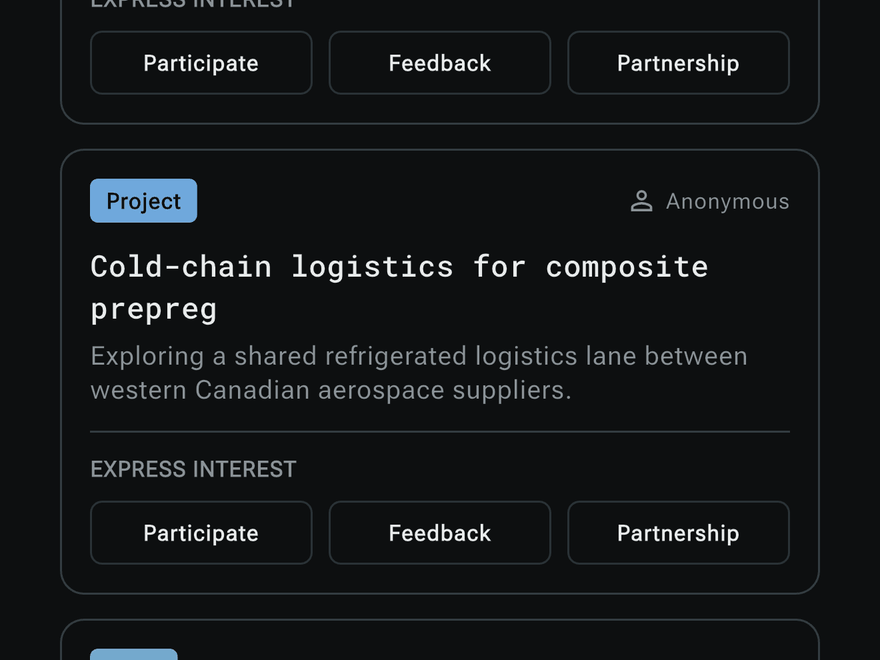 02 Answered
Three ways for the room to answer
Participate, Feedback or Partnership. A member answers the requirement without being told whose it is.
-
03 Read
Nobody meets until there is something to meet about
One requirement goes in and member companies answer. ConvergX® and its tooling read every answer before any of it reaches the other side, so the two sides meet when there is a real opportunity between them, and not before.
-
04 Decided
The review ends in a decision
ConvergX® asks the questions rather than checking a record. What comes out is a call: introduced, or not taken forward.
-
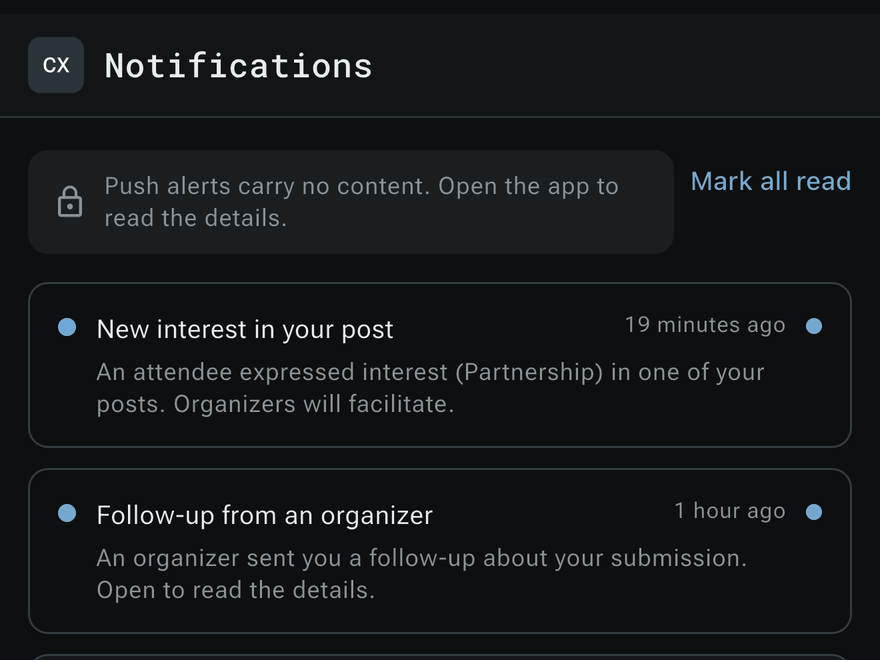 05 Introduced
The introduction is arranged for you
When both sides are ready, ConvergX® makes the introduction: a meeting with the curated group the requirement calls for, or the technology brought to you directly. The alert itself carries no content, so nothing about a requirement leaves the platform.

No open registration and no account to create. Access is decided one request at a time.
Two ways in
AccessRequest access
For an organisation with a requirement its own supply base cannot fill. Tell ConvergX® what you need solved and which industries you already source from. A person reads it and decides what belongs in front of it.
I have a capabilityApply to join
For a company with a capability already in service. Tell ConvergX® what you have built and where it runs. The sector it was built for does not matter, and there is no open registration to work around.